

I first noticed something was “off” in July of 2007. I was 23, fresh out of college, and Mom had come with me to Baltimore—300 miles from home—to help me find an apartment. I was nervous about starting my “adult” life and doing what I’d always done when things got stressful: leaning on my mom. Except that weekend, she wasn’t leaning back. I remember driving while she read the directions.
“Left,” she said. I turned left. “No—the other way!” she said suddenly, frantic.
Things like that kept happening all weekend. When I asked what she thought of an apartment, her answers were vague, her tone apathetic.
I got frustrated. I even broke down and yelled at one point. I’ll never forget how she sat there in the passenger seat—quiet, nervous, unsure. She didn’t yell back or do what I needed her to do: put me in my place. Over the next few months, things like that kept happening. Small moments that left me irritated and confused. My “take-action” mom — the woman who raised five kids, was everyone’s favorite school nurse, and the glue of our family — suddenly seemed to stop caring.
I was wrong. In July of 2007, my mom wasn’t giving me a hard time. She was having a hard time.
At the time, none of us knew she was in the early stages of a terminal brain disease called frontotemporal dementia (FTD). Looking back, the signs had been there for months. My dad said things had felt “off” for a while, but he was waiting to see if any of us kids noticed. My younger sister thought Mom had just been more irritable lately—maybe menopause.
She was 56 after all.
Then Christmas came.
Mom made her traditional Christmas Eve lasagna. It looked great. Smelled great. Except it was missing one key ingredient: the noodles.
Layer after layer of meat, sauce, and cheese—but no pasta. That was the moment we knew something was really wrong.
Over the next few months, we started the long process of figuring out why Mom suddenly couldn’t spell her own address or write our last name correctly. Stroke? Brain tumor (please be that—that’s fixable)? Alzheimer’s?
Doctors ruled things out one by one. Then one day the answer arrived.
Through a letter in the mail.
I remember standing at the mailbox grasping the one paragraph letter, and trying to understand how to process what it meant for my mom… our family… our future. “I believe you have frontotemporal dementia… thank you for coming to see me.”
Overnight my family and I were responsible for the care of our 56-year old mother. We had to become experts in words that we’d never even heard of before– like respite care and SSDI. We learned on the fly to anticipate, understand, and manage the changes like when she became mute, couldn’t read a menu anymore, or started choking on her food.
But that wasn’t the hardest part. It was the loneliness no one talks about.
The phone stopped ringing. Friends and neighbors didn’t come by anymore.
Relatives didn’t know what to say at family gatherings. Even the doctor had delivered the news without compassion or guidance.
My mom passed about 5 years later. It wasn’t until I came out of the trenches—finding ways to turn my pain into purpose—that I understood the real gap we need to address: People did not stay away because they didn’t care. They didn’t know what to do. And that realization changed everything for me…
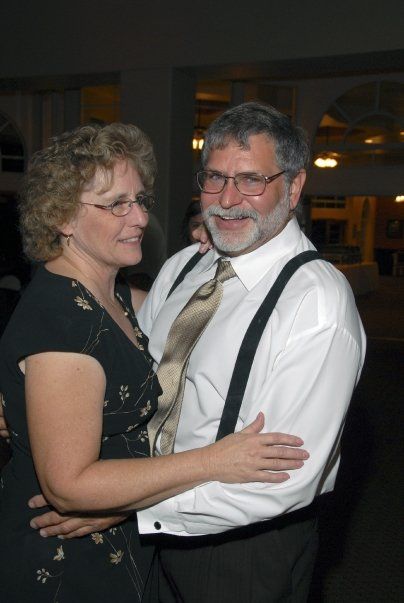
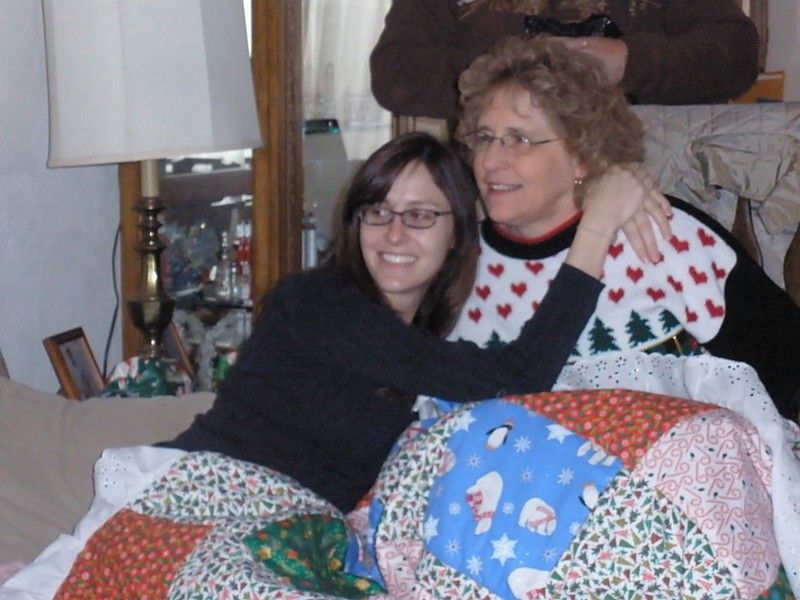
Let’s Be Honest – Dementia Makes Us Uncomfortable
Dementia carries a stigma that makes engagement uncomfortable. How do you talk to someone who can’t respond? How do you interact with someone who might not remember who you are?
Nearly 16 million Americans are caring for someone with dementia right now—navigating a fragmented system, absorbing the financial cost, and carrying the emotional weight of watching someone they love slowly change. And just like my family, much of this is happening quietly, behind closed doors.
Yes, part of the problem is absolutely the support system itself. Too often families are told one word by the doctor “dementia” and then… that’s it. Diagnose and adios. Sent home without a roadmap, support or any idea how to survive what comes next
But the other part of the problem is something we can change right now: the stigma that makes people uncomfortable talking about dementia in the first place.
HOPE: We’ve Lifted the Stigma Before
Cancer used to be called “the Big C,” whispered about in hushed tones behind closed doors. Then something changed.
People started talking about it; pink ribbons started showing up everywhere. Today, you hear the word “cancer” and you feel compelled to act– to do something, anything.
When cancer became visible, everything followed– a surge in treatments, prevention campaigns, insurance coverage, and a culture where communities show up for each other.
The Time is Now: Lifting the Dementia Stigma
We can lift the stigma around dementia the same way: By making it visible.
By talking about it openly, asking questions even when we feel awkward, showing up for families navigating something most of us don’t fully understand.
Because the truth is, dementia isn’t rare. If we live long enough, many of us will experience it—either personally or through someone we love.
So the question isn’t whether dementia will touch our lives. The question is how we respond when it does.
Who Are You in This Story?
Are you a caregiver, feeling like you’re on an island no one else can see?
Are you the friend or relative on the sidelines, wanting to help but aren’t sure what to say or do? Are you like me, on the other side, looking for a way to turn pain into purpose?
Wherever you are, there’s a role you can play in lifting the stigma.
If you know someone caring for a loved one with dementia, reach out. Call them. Send a text.
Offer something specific. “I can come sit with your mom for an hour” or “Can I bring dinner Tuesday night?”
Acknowledge the hardship. Help the caregiver feel seen. You don’t have to be an expert to make a difference.
I would have loved to see neighbors insist on giving my dad a break and take my mom to the store or for a walk. Or when she could no longer walk, just play music and hold her hand.
Join in Advocacy. Find a local or national walk
If you are a caregiver, know that asking for help isn’t weakness—it’s the kindest thing you can do for your loved one and yourself. Let people know what would actually help: a meal, a ride to an appointment, a short break.
Most importantly: Talk about dementia.
Say the word. Share stories. Ask questions.
When we make the reality of dementia visible, support follows— so that the next family standing at a mailbox holding a diagnosis letter doesn’t have to face what comes next alone.
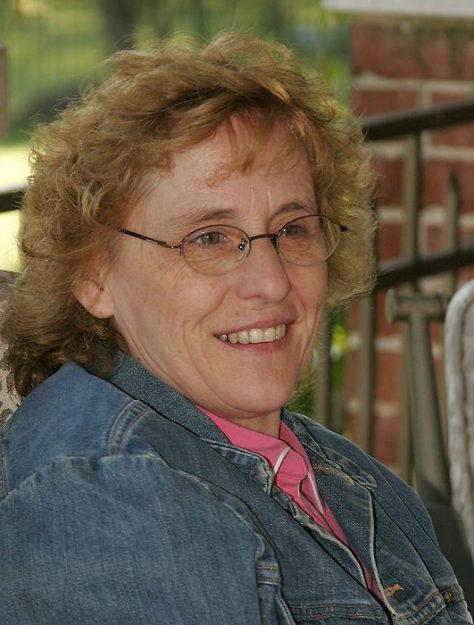
In Loving Memory of “Mama Hall,” – forever 61
Join the Movement
Have you or a loved one been impacted by dementia? Interested in supporting your own brain health? Join in this June 2026, for a nationwide campaign to move a mile a day—at any pace, anywhere. Together, we’re not only caring for ourselves, but standing as a collective voice to remind dementia families that they are seen, heard, and not alone. Learn more or sign up at moveftt.org
Hi my sister who just turned 79 is showing all the signs of dementia but refuses to go for the extensive testing that the dr ordered….. she has one son that lives at home he is 56….. her husband has been in the hospital for over a month and she expresses to me she needs him home i dont know what to do for her…. The house also is way too big for them and they have 35 yrs of accumulated stuff
us you so much for sharing. my husband is 60,and it is the 4th year for us with dementia. you are so right with all the things you say. especially the loneliness. even with good friends, noone really wants to hear. my husband was also released from his work in the most cruel way. but the worst of all, of course, is losing the bright, beautiful, clever and respected man, my soulmate to this extremely cruel illness – as he is now- without language, almost no movement, helpless. and i desperately try to see beyond that – to still see the immortal soul that has not changed.
In my previous comment a typo, at the beginning I wanted to say: thank you so much for sharing.
Thank you for focusing attenTion on the role of the caregiver of patients of dementia. Your advice has been invaluable to me as new caregiver to my wife who is 87 years old.
Is there any such movement like Emma’s in the UK?